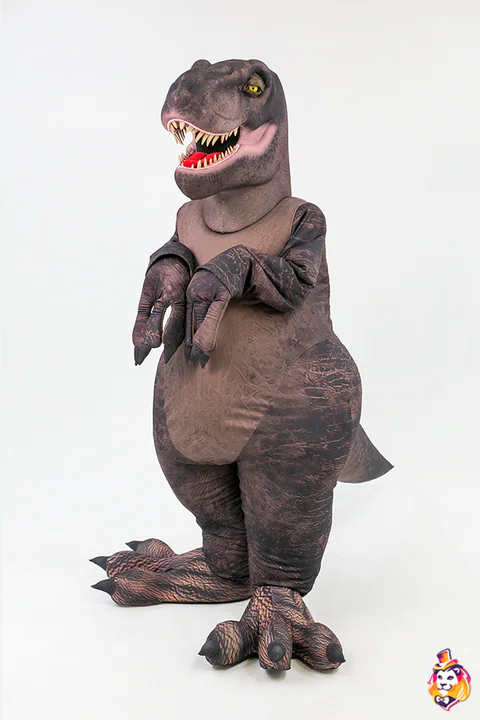
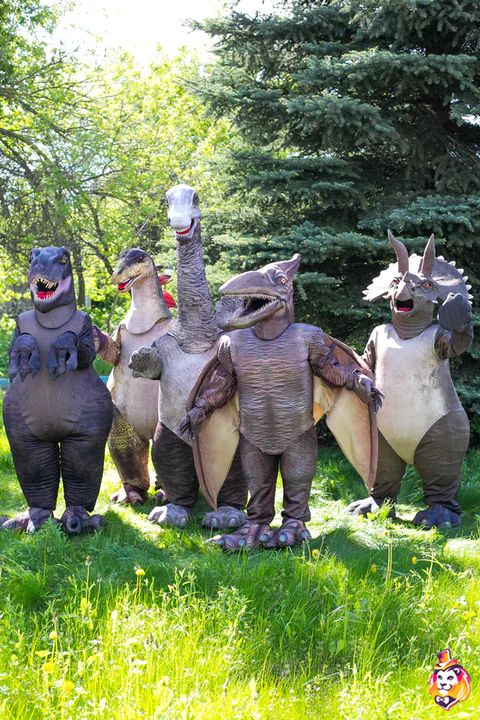
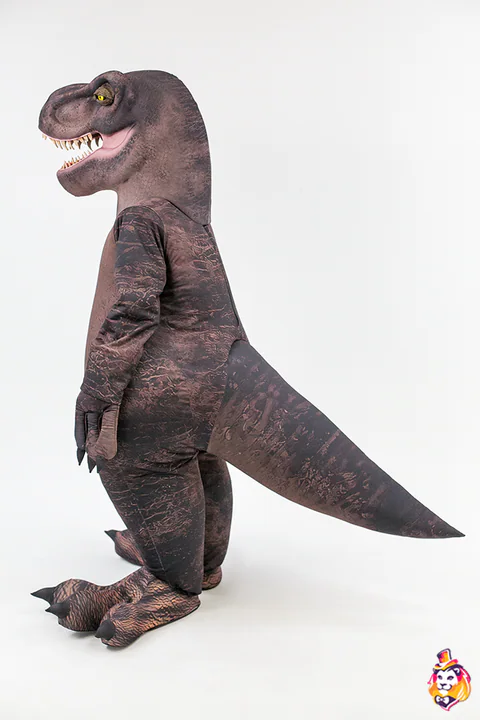
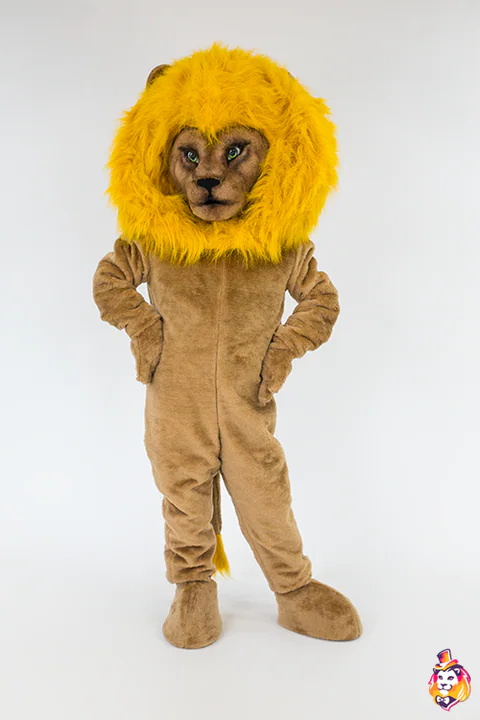
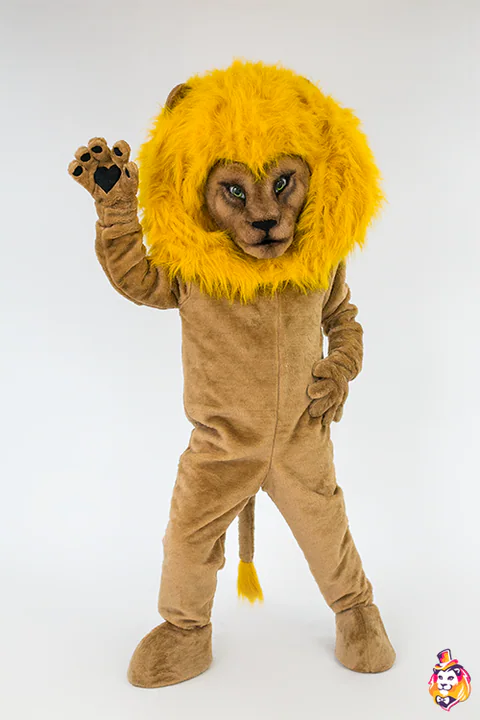
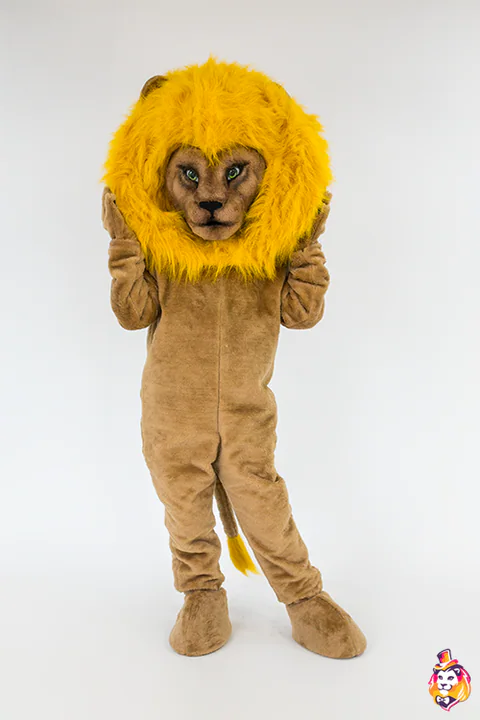
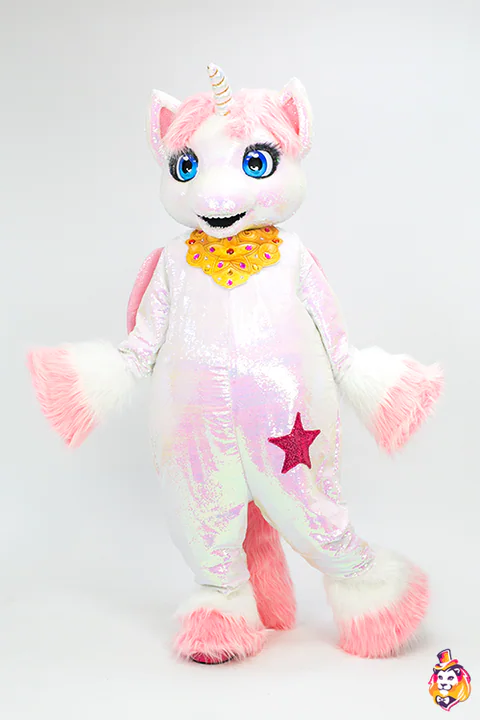
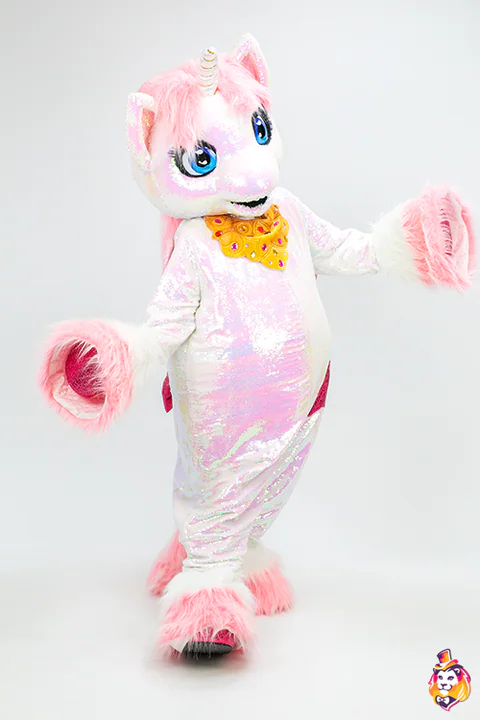
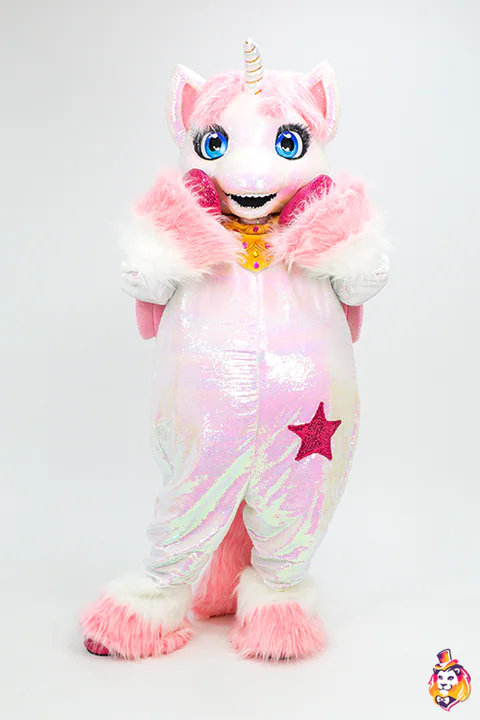
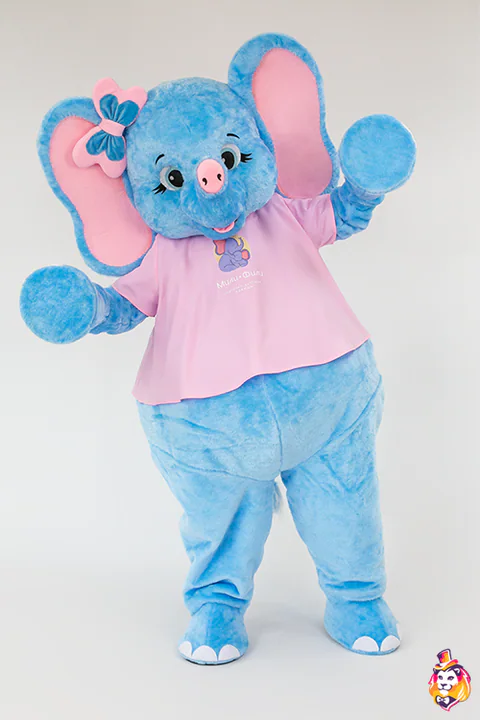
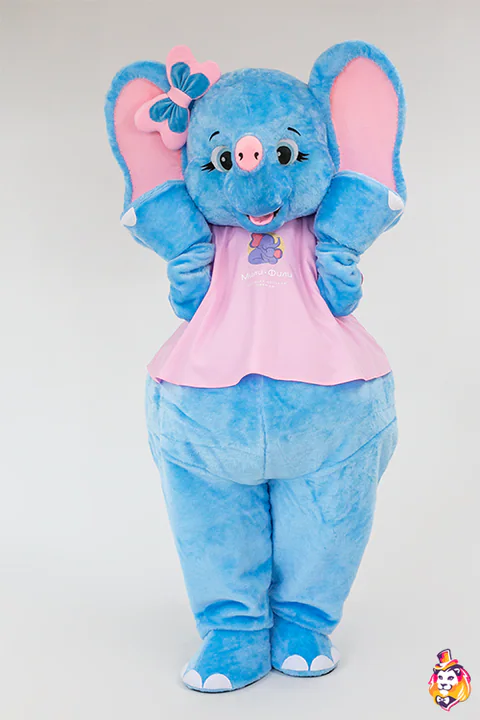
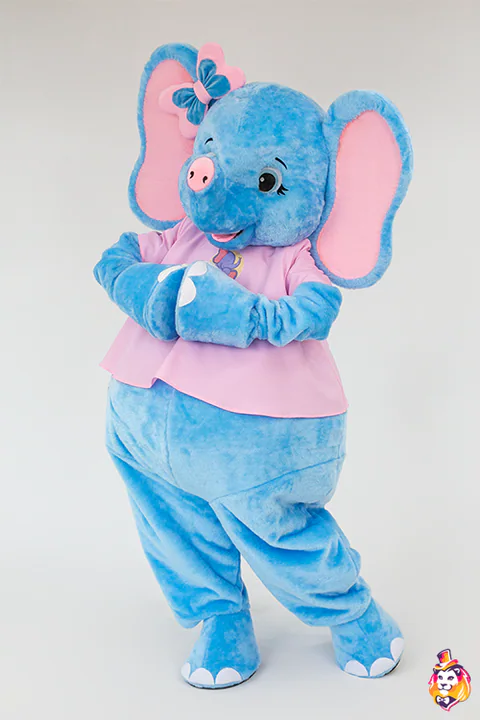
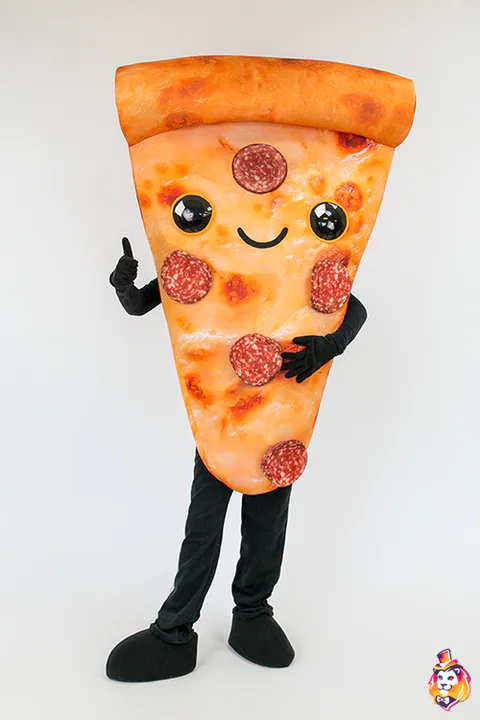
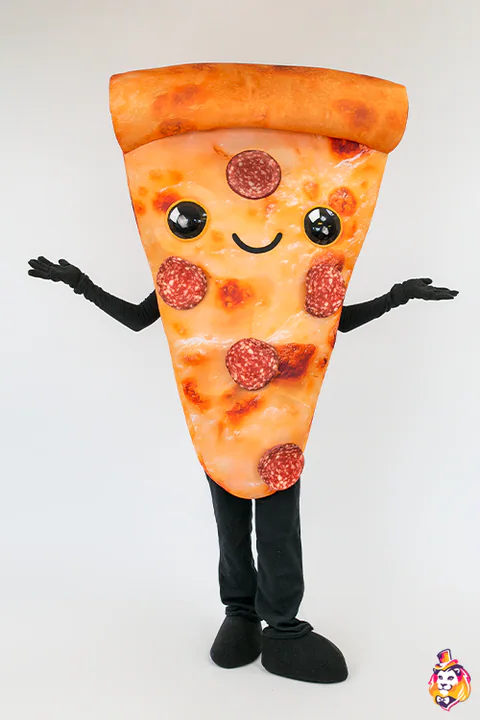
Mascot costume anatomy
What’s inside a mascot costume
A mascot costume is a set of parts that work together. Here is how each one is built — with figures from the kit lists of 999 mascot costumes in our catalog.
 Carnival Mascot Team
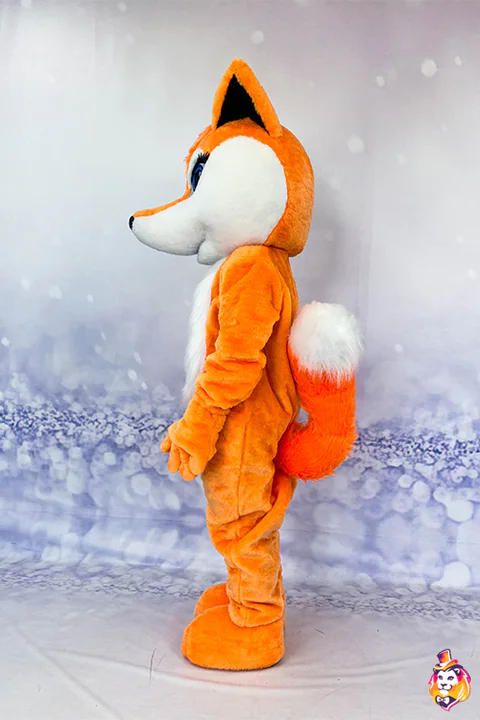
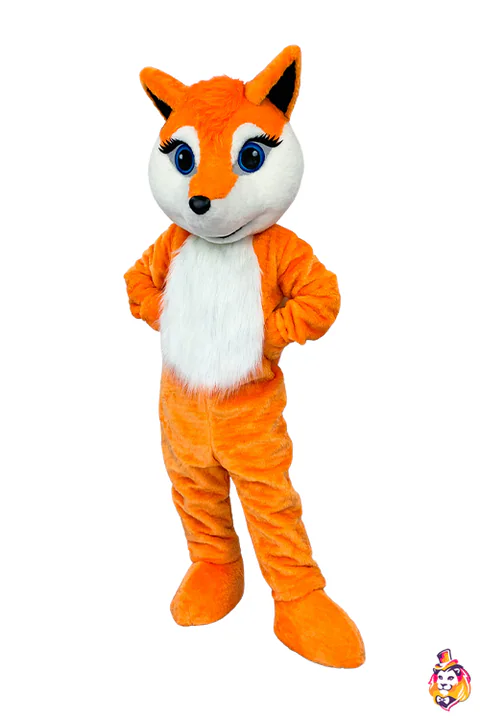
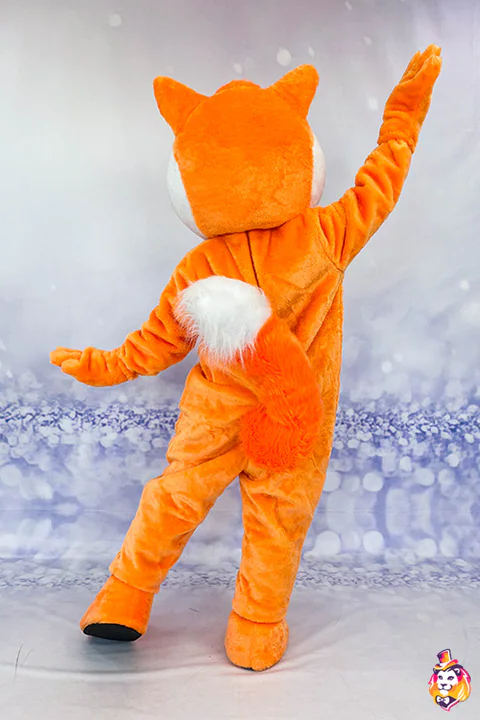
You buy a character, but your performer wears a set of parts: a head, a suit, gloves and shoes, often with an outfit and accessories on top. Knowing how these parts work makes it easier to compare costumes and to ask the right questions before you order.
The figures in this guide come from the kit lists on our product pages — the same lists you see under “What’s in the set” on every model, counted on October 13, 2026.
- 971of 999 · 97% models with a published kit list
- 833of 971 · 86% kit lists with character gloves
- 525of 788 · 67% heads with the view through the eyes
- 207of 788 · 26% heads with the view through the mouth
- 278of 688 · 40% heads with extra ventilation openings
- 783of 818 · 96% pairs of shoes on polyurethane soles
The head: the character’s face
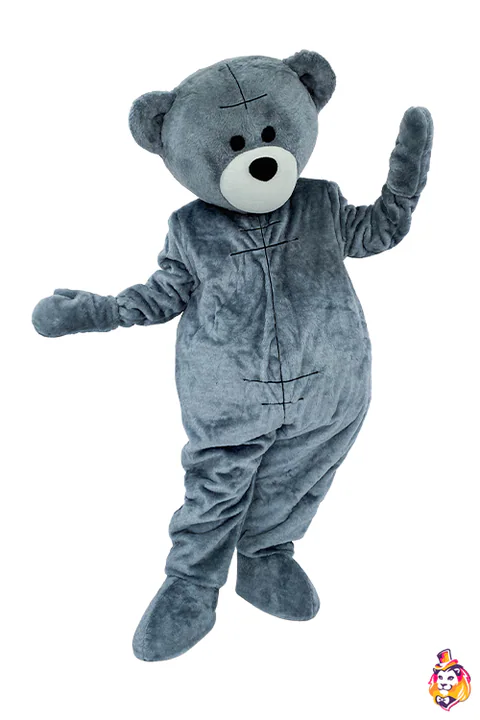
The head is the most important and the most complex part. It is built on a shaped foam frame, so it stays light and keeps its form from one event to the next. On top of the frame goes the character’s “skin” — faux fur, fleece or another fabric — with the eyes, nose, ears, hair and other details. Some heads have a sculpted 3D mask for the face.
How the performer sees
A mascot’s eyes are usually not the performer’s eyes. The viewing area is hidden in the design, so the character’s face stays intact. In our catalog, 525 heads have it in the eyes and 207 in the mouth; on 56 more it sits in the neck, the nose or the beak. The page of each model says where its view is.
Ventilation and heat
A mascot costume is warm by nature: the performer wears a full suit and a closed head. In our catalog, 278 of the 688 heads whose construction is described have extra ventilation openings — in the mouth, between the ears or at the top. A fan in the head can be added on request; it is worth asking about for summer events, outdoor work and hot climates.
Whatever the costume, a few habits help every performer: plan short breaks out of the head, keep water nearby and avoid long sessions in direct sun.
The suit: shape and color
The suit is the character’s body. The performer steps into it like a jumpsuit; where the design needs volume — a round belly, broad shoulders, big hips — it is built up with padding or a padded vest worn underneath.
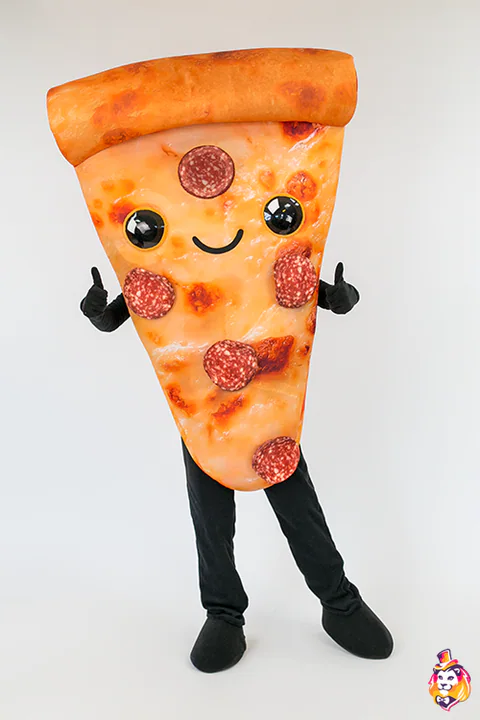
Many characters also wear an outfit over the suit: a dress, a uniform, a scarf or an apron. The colors of the outfit can be changed and your logo added on request — see how much a mascot costume costs for what such changes mean for the price.
Gloves and shoes
Character gloves close the gap between the sleeve and the hand, so no skin shows. They are in 833 of the 971 kit lists in our catalog.
Oversized character shoes complete the silhouette and keep the proportions right. In most kit lists they are described as a foam frame covered with fabric, on polyurethane soles — 783 pairs in our catalog.
Who can wear it
Always tell us the performer’s height when you ask for a price. If it is outside the standard range, we will tell you whether the model can be adjusted and what it costs.
Looking after the costume
Care instructions come with every costume, and a few rules apply to any mascot:
- let the head, the suit and the gloves dry completely after every event before you pack them;
- store the head on a stand or in its box, so the frame is not crushed and keeps its shape;
- keep the costume away from heaters, open flames and long exposure to direct sun;
- on busy weekends, rotate two costumes instead of wearing one all day.
Check the kit before you order
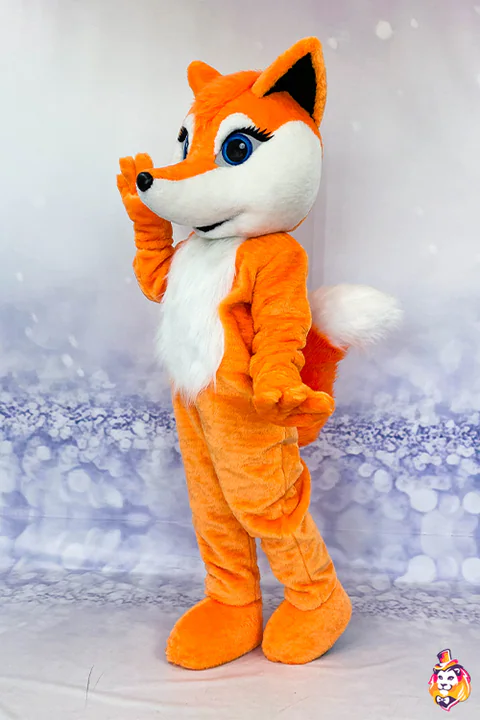
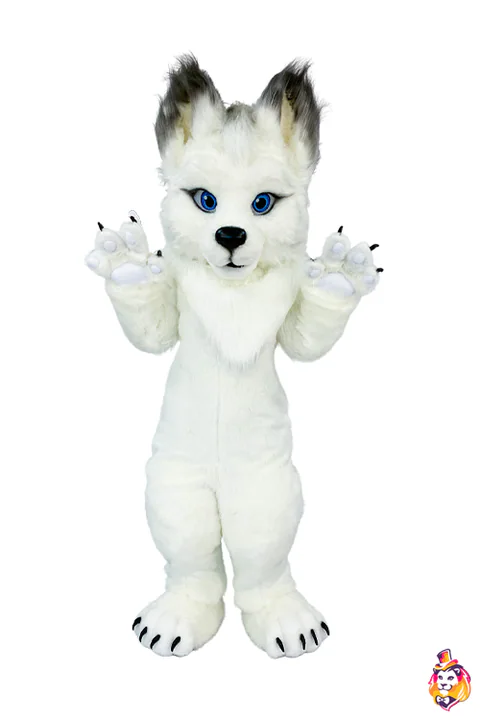
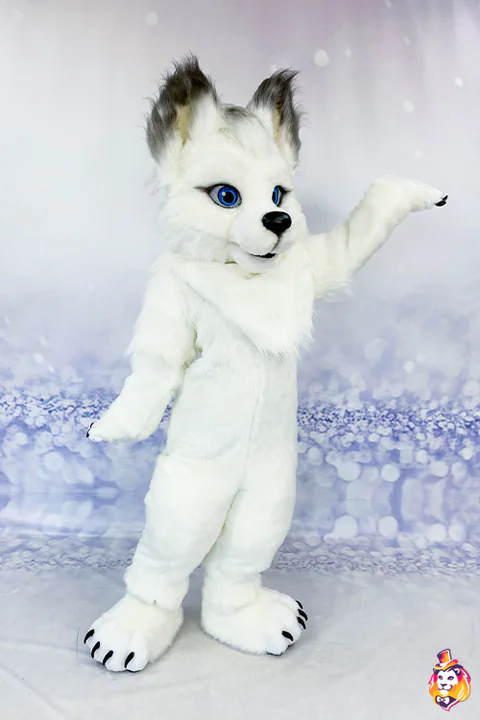
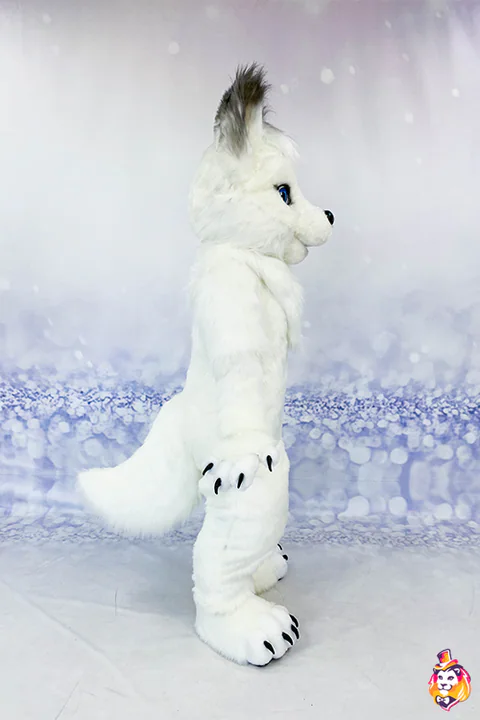
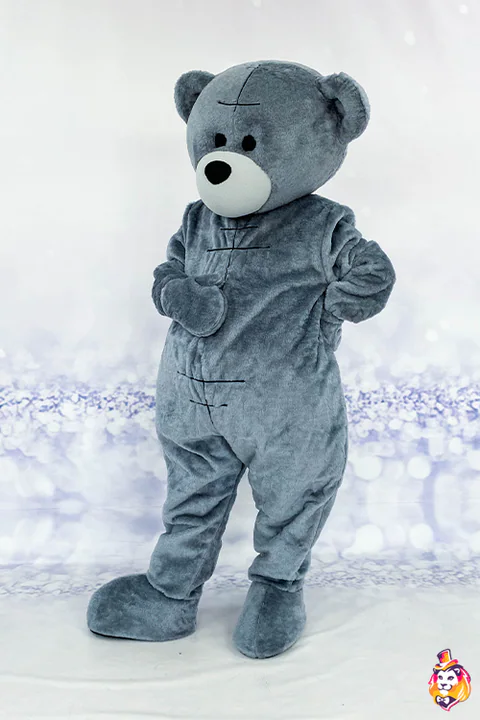
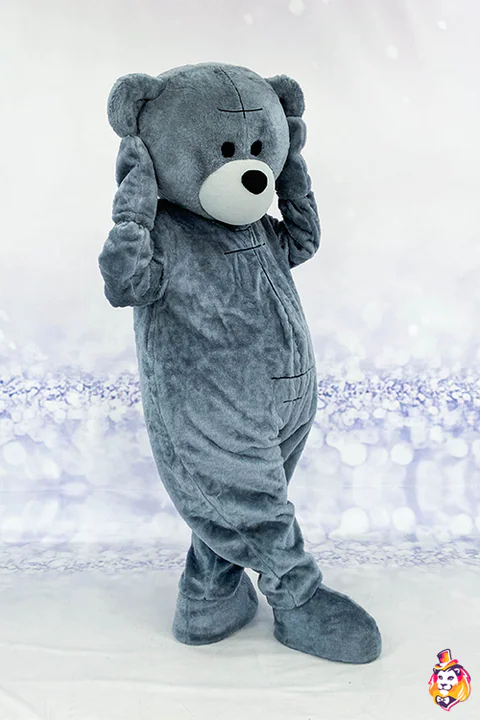
Every product page lists what comes in the set under “What’s in the set”, part by part. Many models also have a “Turn around” view with real photos from the front, the side and the back, so you can see the whole silhouette before you order. Props that a mascot holds in the photos are included only if they are listed in the set — if you want them, just ask.